Energy
Understanding North Sea Oil and Gas Production
2026-05-06
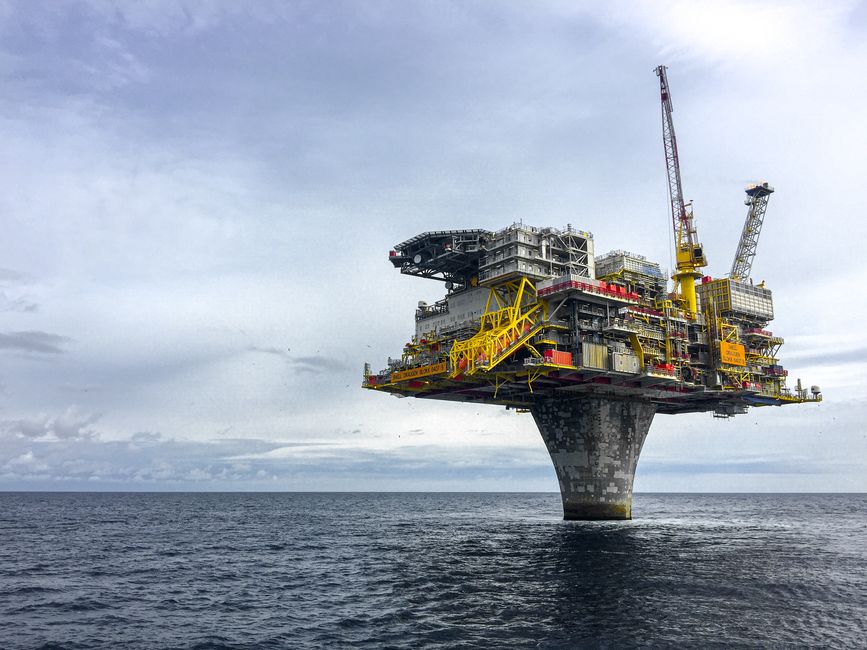
The North Sea has been central to British energy independence for decades. Since commercial production began in the 1960s, it has supplied millions of barrels of oil and vast quantities of natural gas to the UK and Europe.
Modern North Sea operations involve sophisticated drilling technology and engineering. Offshore platforms are built to withstand harsh weather conditions, including storms with waves reaching over 20 metres high. Workers on these platforms operate in challenging environments, requiring extensive safety training and protocols.
Today, the North Sea contains hundreds of active and inactive fields. Major operators include BP, Shell, and Equinor, alongside numerous smaller independent companies. These organisations invest billions in maintaining and developing existing infrastructure whilst exploring new reserves.
Key production facts:
- The North Sea currently produces around 1 million barrels of oil per day
- It supplies approximately 40% of UK oil consumption
- Natural gas production supports domestic heating and electricity generation
- The industry employs over 30,000 people directly across the UK
Production techniques have evolved significantly. Early platforms used conventional drilling, whilst modern operations employ horizontal drilling and enhanced recovery methods to extract more from each field. This maximises resource use and extends field life.
Environmental considerations are increasingly important. Operators must meet strict regulations regarding emissions, waste management, and wildlife protection. Many platforms now incorporate renewable energy sources like wind power to reduce their carbon footprint.
The future of North Sea production will involve transitioning towards renewable energy infrastructure. Existing platforms and expertise are being adapted for offshore wind farms and hydrogen production, ensuring the region remains an energy hub whilst supporting net-zero ambitions.