Workforce
Safety Standards in North Sea Operations
2026-04-17
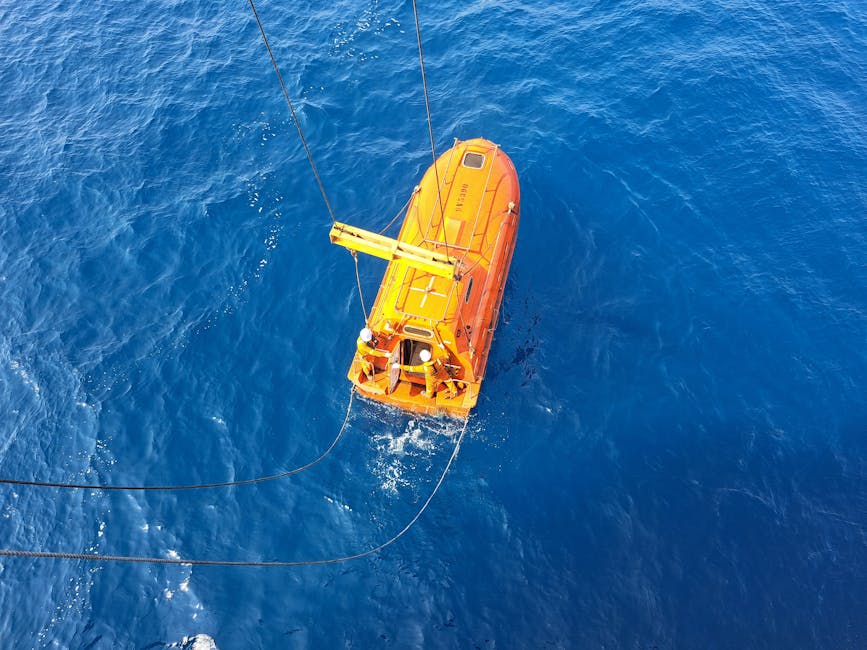
Working in the North Sea presents extraordinary challenges. Extreme weather, isolation, and the inherent risks of oil and gas extraction demand world-class safety systems. The industry has developed some of the most comprehensive safety standards globally.
Every worker on a North Sea platform must complete extensive training before deployment. This includes survival skills, emergency response, and equipment operation. The HUET (Helicopter Underwater Escape Training) course teaches workers how to survive if a helicopter ditches at sea—a critical skill given that helicopters provide the primary transport to offshore installations.
Core safety measures include:
- Regular safety drills and emergency simulations
- Personal protective equipment tailored to specific roles
- Continuous monitoring of equipment and environmental conditions
- Strict protocols for hazardous operations
- Independent safety audits and inspections
Modern platforms feature advanced technology to prevent incidents. Automated shutdown systems can isolate sections of a platform if problems develop. Real-time monitoring systems track equipment integrity, and predictive maintenance identifies potential failures before they occur.
The industry has learned from past incidents. The Piper Alpha disaster in 1988 led to fundamental changes in safety culture and regulation. Today, operators prioritise a safety-first mentality where workers can report concerns without fear of repercussion.
Offshore medical facilities are equipped to handle serious injuries. Platforms have onsite doctors and nurses, with helicopter evacuation available for emergencies requiring specialist hospital care. Response times are typically measured in hours rather than days.
Mental health and fatigue management are recognised as safety issues too. Workers typically work 14-day rotations followed by 14 days off. Psychological support is available to help workers manage the stress of working in isolation in demanding conditions.
Continuous improvement is embedded in North Sea safety culture. Operators share incident data and best practices, ensuring lessons learned benefit the entire industry. This collaborative approach has contributed to declining accident rates over the past two decades.